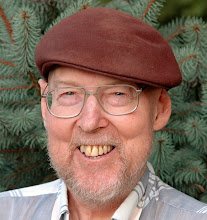
Today I turned 54. Generally I enjoy birthdays, seeing them as one more reason to enjoy life. I even blogged my birthday last year. But today I've been sad. I'm not exactly sure why.
Recently I figured out that my insurance company pays about $150,000 a year for medicine for two chronic conditions I have--rheumatoid arthritis and emphysema due to alpha one antitrypson deficiency. And that doesn't count all the expense connected with being hospitalized for a blood clot this summer. Today I recieved a hospital bill for over $30,000 that my insurance company will pay one of these days.
It's expensive making sure I keep having birthdays.
Am I worth it? I suppose the answer is grace.
Here's three words of grace that I am treasuring on this day I turn 54. One, last night as Sarah lay in my arms she said, "I am glad you are alive for your birthday."
She, who's father was killed before she was born, never loses track of the wonder of having a man who loves her and doesn't disappear on her.
Two, recently I began writing a column for Tiskilwa's weekly newspaper and today I received a birthday card from Wilber and Doris Giltner, a couple I've met a time or two. In the card they wrote: "We sure enjoy your column in the Chief. Keep up the good work - you are an asset to our community!"
Three, you have to know a little background to appreciate the sentence in my daughter Hannah's card that's ringing in my heart. First, as a communal member of Plow Creek Fellowship we've taken the equivalent of a vow of poverty. Sarah and I are accumulating no assets to pass on to our chidlren. Second, I write a letter of each of my children and their spouses/fiancees each week. In her card to me Hannah was reflecting on how close to me she feels even though she and her husband Donny live in Florida while Sarah and I live in Illinois.
Then Hannah said, "I realize it is because of your faithful letters, e-mails, and our phone conversations. Thank you for all your letters--I woudn't trade them for a billion dollar inhertance."
Friday, September 30, 2005


Thursday, September 29, 2005
My kind of Mennonite
When the president of Eastern Mennonite College named names in an effort to keep Mennonites pure, he included Jim Harnish.
During World War II, Jim, a long time member of Plow Creek Fellowship, was a conscientious objector and served in an alternative service program run by Mennonites.
The program, sanctioned by the U.S. government, was required to accept not just Mennonites but all conscientious objectors.
Mennonite leaders were worried that young Mennonites were being radicalized by being thrown together with pacifists of other persuasions.
Jim was part of an alternative service unit, working as an orderly at a state hospital near Poughkeepsie, NY, when the president of EMC identified a conservative young man who was part of the unit. He wrote the young man and asked who among the Mennonites at the unit were being radicalized.
Based on the information from the young man, the EMC president sent a letter to the unit naming Jim and others who he deemed as not adhering strictly enough to all Mennonite beliefs. How can you call yourself Mennonites? he asked.
The young man who had provided the names felt very bad. He had not expected the people he had named to be denouced in a letter to the whole unit.
Jim and another person in the unit felt sorry for the young man and took him out for a malt.
Now that's my kind of Mennonite.
During World War II, Jim, a long time member of Plow Creek Fellowship, was a conscientious objector and served in an alternative service program run by Mennonites.
The program, sanctioned by the U.S. government, was required to accept not just Mennonites but all conscientious objectors.
Mennonite leaders were worried that young Mennonites were being radicalized by being thrown together with pacifists of other persuasions.
Jim was part of an alternative service unit, working as an orderly at a state hospital near Poughkeepsie, NY, when the president of EMC identified a conservative young man who was part of the unit. He wrote the young man and asked who among the Mennonites at the unit were being radicalized.
Based on the information from the young man, the EMC president sent a letter to the unit naming Jim and others who he deemed as not adhering strictly enough to all Mennonite beliefs. How can you call yourself Mennonites? he asked.
The young man who had provided the names felt very bad. He had not expected the people he had named to be denouced in a letter to the whole unit.
Jim and another person in the unit felt sorry for the young man and took him out for a malt.
Now that's my kind of Mennonite.
Taking a rhythm day to get my groove back
Yesterday, Tuesday, I took a rhythm day. Not a sick day but a rhythm day.
After waking Monday with a headache and going through the day on passionless will power, by evening I was thinking, "I just want to run away and hide." It was at that point I realized I needed to take a rhythm day.
Tuesday morning I left home and wandered to the local library, chatted wih the librarians, taking note for future columns.
Then I had a long lunch at Burger King reading the latest Fast Company. After lunch I drove to a park, leaned my van seat back, and took a nice nap. Actaully two nices naps. The first one wasn't long enough.
After reading Freakonomics for awhile I took a swim and then headed home for dinner with friends.
I love people and pastoring and leading EGL but every once in awhile it's too much.
If I were working for a standard USA company I would face a moral dilemna: should I call in sick?
Margaret Morford, president of the HR Edge Inc., a Nashville-based training and management development consulting company, says people are taking sick days because they are simply working harder and longer. Voice mail, e-mail, cell phones and other technology also allow people to be plugged in to work more than ever.
"People are getting burned out," she said. "And I recommend to managers: You need to keep your eye on people, and sometimes you just need to give them a mental health day, or at least offer them the option."
Companies need to abandon the old sick day policies and give people rhythm days.
Jim Loehr and Tony Schwarz make two points in The Power of Full Engagement: Managing Energy, Not Time Is the Key to High Performance and Personal Renewal'':
We need to balance stress and recovery.
Balancing stress and recovery helps us be highly energetic.
When the balance between stress and recovery gets out of rhythm on the stress end we get sick. Much better to take a rhythm day. And now I have my groove back.
After waking Monday with a headache and going through the day on passionless will power, by evening I was thinking, "I just want to run away and hide." It was at that point I realized I needed to take a rhythm day.
Tuesday morning I left home and wandered to the local library, chatted wih the librarians, taking note for future columns.
Then I had a long lunch at Burger King reading the latest Fast Company. After lunch I drove to a park, leaned my van seat back, and took a nice nap. Actaully two nices naps. The first one wasn't long enough.
After reading Freakonomics for awhile I took a swim and then headed home for dinner with friends.
I love people and pastoring and leading EGL but every once in awhile it's too much.
If I were working for a standard USA company I would face a moral dilemna: should I call in sick?
Margaret Morford, president of the HR Edge Inc., a Nashville-based training and management development consulting company, says people are taking sick days because they are simply working harder and longer. Voice mail, e-mail, cell phones and other technology also allow people to be plugged in to work more than ever.
"People are getting burned out," she said. "And I recommend to managers: You need to keep your eye on people, and sometimes you just need to give them a mental health day, or at least offer them the option."
Companies need to abandon the old sick day policies and give people rhythm days.
Jim Loehr and Tony Schwarz make two points in The Power of Full Engagement: Managing Energy, Not Time Is the Key to High Performance and Personal Renewal'':
We need to balance stress and recovery.
Balancing stress and recovery helps us be highly energetic.
When the balance between stress and recovery gets out of rhythm on the stress end we get sick. Much better to take a rhythm day. And now I have my groove back.
Wednesday, September 21, 2005
Turning the good ship Evergreen Leaders
The major emotional, intellectual, spiritual challenge I've been working on is expanding Evergreen Leaders into board training and consultation. At our Labor Day weekend board meeting the board strongly encouraged me to head in this direction.
First, it's an emotional challenge because our vision from the beginning has been to give ordinary people leadership tools to help their groups thrive. We want to work with groups who would not otherwise have access to leadership teaching. So it feels like a loss to me to invest in boards, pastors, and CEOs, as if we will be ignoring the people ate the extremities of the organization, the people we wanted to work with in the first place. I'm sad at the thought of turning away from ordinary people who make it possible for any group to thrive.
Second, it's an intellectual task because to keep integrity we need to figure out how to add board teaching and pastor/CEO consulting within the framework of our mission which is to give ordinary people the tools to help their groups thrive. All along I've had a nagging concern that to be really beneficial to nonprofits and churches, that we need to engage the pastors and CEOs. I pretty much overlooked the boards, a mistake, I think. I am reading a lot about church and nonprofit board development as a way of filling my brain with what others are thinking about the roles of boards. I am enjoying the reading and trusting we will be able to fit the pieces together into a uniquely EGL approach to boards just as we've done with our series of workshops.
Third, it's a spiritual challenge because EGL is God's business and I am God's man. Even though I am very passionate about Evergreen Leaders, it's not mine. Each day I focus on trusting that Jesus will shape my day and my work that day including my work with Evergreen Leaders. In turning the good ship Evergreen Leaders to also focus on leaders and boards, I am obeying the true founder of EGL, the big Dude I work for.
Evergreen Leaders is all about helping groups change so that they can thrive. Now we are getting to practice what we preach, or maybe, we are practicing on ourselves so that we will have something to preach.
Whenever I think of helping an organization to change I think of that a small change in the direction of a ship’s tiny rudder will, over time, change the course of an ocean liner.
First, it's an emotional challenge because our vision from the beginning has been to give ordinary people leadership tools to help their groups thrive. We want to work with groups who would not otherwise have access to leadership teaching. So it feels like a loss to me to invest in boards, pastors, and CEOs, as if we will be ignoring the people ate the extremities of the organization, the people we wanted to work with in the first place. I'm sad at the thought of turning away from ordinary people who make it possible for any group to thrive.
Second, it's an intellectual task because to keep integrity we need to figure out how to add board teaching and pastor/CEO consulting within the framework of our mission which is to give ordinary people the tools to help their groups thrive. All along I've had a nagging concern that to be really beneficial to nonprofits and churches, that we need to engage the pastors and CEOs. I pretty much overlooked the boards, a mistake, I think. I am reading a lot about church and nonprofit board development as a way of filling my brain with what others are thinking about the roles of boards. I am enjoying the reading and trusting we will be able to fit the pieces together into a uniquely EGL approach to boards just as we've done with our series of workshops.
Third, it's a spiritual challenge because EGL is God's business and I am God's man. Even though I am very passionate about Evergreen Leaders, it's not mine. Each day I focus on trusting that Jesus will shape my day and my work that day including my work with Evergreen Leaders. In turning the good ship Evergreen Leaders to also focus on leaders and boards, I am obeying the true founder of EGL, the big Dude I work for.
Evergreen Leaders is all about helping groups change so that they can thrive. Now we are getting to practice what we preach, or maybe, we are practicing on ourselves so that we will have something to preach.
Whenever I think of helping an organization to change I think of that a small change in the direction of a ship’s tiny rudder will, over time, change the course of an ocean liner.
Monday, August 29, 2005
Bringing a little joy to an IRS agent
Several months ago with the help of my attorney friend, Mitch Kinglsey, and dozens of hours of work, I completed a 20+ page form to apply for 501(c)(3) status for Evergreen Leaders--such status makes it clear that people who make gifts to EGL can take tax deductions.
Six weeks ago I received a phone message from a Miss Johnson. I couldn't understand what company she was with and when I returned the phone call it turned out she was from the IRS.
She needed another document for our application. I faxed it to her.
A CPA friend had warned me to expect such a call, that the IRS often calls several times to ask for more information. I waited for another call.
Two weeks ago we received our letter declaring us a 501(c)(3) organization. I e-mailed Mitch to thank him and shared the good news with the EGL board. I thought: I should thank Miss Johnson too. A few minutes ago I did.
When I first told her who I was I could sense the coolness in her voice as she wondered what I wanted. "Filling out that form was a lot of work for me and I'm sure it was a lot of work for you too," I said, "So I wanted to thank you for all your work."
"Did you get your letter?" she asked.
"Yes, we received it and we were really happy. Thank you for your work."
Her voice warmed right up. She expressed her appreciation for my thanks, we chatted for a few moments, and then hung up.
It's a great day when you can bring a little joy to an IRS agent.
Six weeks ago I received a phone message from a Miss Johnson. I couldn't understand what company she was with and when I returned the phone call it turned out she was from the IRS.
She needed another document for our application. I faxed it to her.
A CPA friend had warned me to expect such a call, that the IRS often calls several times to ask for more information. I waited for another call.
Two weeks ago we received our letter declaring us a 501(c)(3) organization. I e-mailed Mitch to thank him and shared the good news with the EGL board. I thought: I should thank Miss Johnson too. A few minutes ago I did.
When I first told her who I was I could sense the coolness in her voice as she wondered what I wanted. "Filling out that form was a lot of work for me and I'm sure it was a lot of work for you too," I said, "So I wanted to thank you for all your work."
"Did you get your letter?" she asked.
"Yes, we received it and we were really happy. Thank you for your work."
Her voice warmed right up. She expressed her appreciation for my thanks, we chatted for a few moments, and then hung up.
It's a great day when you can bring a little joy to an IRS agent.
Saturday, August 27, 2005
Refusing to join the career club
As I dressed after swimming this afternoon I glanced at a brand emblem on the inside of my shirt collar: Career Club.
When I finished graduate school in 1977 I decided not to join the career club. Something seemed amiss with the pattern in our culture that leads us to forsake people and place to follow a career where ever it may lead.
Instead I moved to Illinois and joined a commune.
Now it's 28 years later and I'm still part of the commune. When I Sarah and I moved to Plow Creek it was was an idea, a vision, a call. Like a seed that I could hold in my hand, the idea of joining a commune was something I could play with, maybe even kiss it, or not.
But once we joined and started living at Plow Creek it was like a seed disappearing into the earth and taking on a life of its own.
Sarah had moved 21 times by the time she was 18. When her mother first visited Plow Creek, Sarah, in her middle 20's, gave her a tour and when they passed the cemetary she said to her mother, "This where I will be buried."
She was done moving.
I have spent countless hours over the years listening and praying with our farmers, supporting them through draught and flood and bountiful crops. One fall I sat in my wheelchair next to a poorly producing pumpkin patch and wrote a poem about Autuckee, the chief of the last of the Potawatmi to live on this part of the earth that is now Plow Creek:
Perhaps this year a tiny piece of America is mourning
the memory of warm footprints from the brothers and sisters
of the First Nations.
I have learned that to be part of this place is ache for the people who have gone before. To be part of a people is to be part of death and birth.
Our son was born in a room in the upstairs of the Alpha House, Plow Creek's first house. He was born during a members meeting and when someone called over to the common building with the news, David Gale, who took the call, returned to the meeting and said, "Plow Creek has another son."
Each of our children grew up knowing they were part of a place and a people.
I don't know where the Career Club shirt came from. Sarah loves to shop at used clothing stores and shirts and pants simply show up in my closet.
After 28 years in a commune I have a people, a place, and a Career Club shirt.
When I finished graduate school in 1977 I decided not to join the career club. Something seemed amiss with the pattern in our culture that leads us to forsake people and place to follow a career where ever it may lead.
Instead I moved to Illinois and joined a commune.
Now it's 28 years later and I'm still part of the commune. When I Sarah and I moved to Plow Creek it was was an idea, a vision, a call. Like a seed that I could hold in my hand, the idea of joining a commune was something I could play with, maybe even kiss it, or not.
But once we joined and started living at Plow Creek it was like a seed disappearing into the earth and taking on a life of its own.
Sarah had moved 21 times by the time she was 18. When her mother first visited Plow Creek, Sarah, in her middle 20's, gave her a tour and when they passed the cemetary she said to her mother, "This where I will be buried."
She was done moving.
I have spent countless hours over the years listening and praying with our farmers, supporting them through draught and flood and bountiful crops. One fall I sat in my wheelchair next to a poorly producing pumpkin patch and wrote a poem about Autuckee, the chief of the last of the Potawatmi to live on this part of the earth that is now Plow Creek:
Perhaps this year a tiny piece of America is mourning
the memory of warm footprints from the brothers and sisters
of the First Nations.
I have learned that to be part of this place is ache for the people who have gone before. To be part of a people is to be part of death and birth.
Our son was born in a room in the upstairs of the Alpha House, Plow Creek's first house. He was born during a members meeting and when someone called over to the common building with the news, David Gale, who took the call, returned to the meeting and said, "Plow Creek has another son."
Each of our children grew up knowing they were part of a place and a people.
I don't know where the Career Club shirt came from. Sarah loves to shop at used clothing stores and shirts and pants simply show up in my closet.
After 28 years in a commune I have a people, a place, and a Career Club shirt.
Saturday, August 06, 2005
The new president gets tears in his eyes
Blogging SMC festival 5
Two years ago Anali Gatlin of Hope Fellowship was one of two people who were members of the Baylor Students for Social Justice.
What can two people do for social justice?
They decided to start a campaign to urge the University to provide a living wage for their employees. Soon other students joined the group and the campaign.
All year long the president of Baylor ignored their e-mails and refused to talk to the Baylor Students for Social Justice.
Then this summer the Baylor hired a new president who asked to meet with the group. Two weeks ago they went to his office and made their presentation urging him to lead the university in providing its workers with a living wage.
He listened to them and with tears in his eyes, and said, “It’s not right that we the world’s most beautiful parking garage and we are not paying our workers a living wage. We need you.”
Two years ago Anali Gatlin of Hope Fellowship was one of two people who were members of the Baylor Students for Social Justice.
What can two people do for social justice?
They decided to start a campaign to urge the University to provide a living wage for their employees. Soon other students joined the group and the campaign.
All year long the president of Baylor ignored their e-mails and refused to talk to the Baylor Students for Social Justice.
Then this summer the Baylor hired a new president who asked to meet with the group. Two weeks ago they went to his office and made their presentation urging him to lead the university in providing its workers with a living wage.
He listened to them and with tears in his eyes, and said, “It’s not right that we the world’s most beautiful parking garage and we are not paying our workers a living wage. We need you.”
Two shy people from Camden House
Blogging SMC festival 4
The two shyest members of Camden House, Elissa and Melissa, have been sent by their community to tell the SMC festival about their two-year old community.
“We are the shy people in our community. We like being in the background. The rest of our community told us we would do well but we’re a little nervous,” Elissa said as they stood at the microphone.
For seven years a Catholic priest in Camden, New Jersey held on to an abandoned house in his parish, waiting for a religious community to come looking for a place to locate. Perhaps a group of Jesuits or maybe a Catholic worker house.
A handful of 20-something Protestants (and one Catholic) showed up looking for a house to start a community. The priest handed them the keys.
In May they dropped off their gear at the house and went back home with plans to gather in July to launch the community. When they arrived in July all their belongings had been stolen.
Welcome to the neighborhood.
The house across the street openly sells drugs and does prostitution as a service to people who drive in from the suburbs.
Camden House works with the environmental and social degradation of our neighborhood. “We are committed to Christ and committed to each other…it’s a beautiful time together…as we stumble through together,” says Melissa.
Currently the eight people of Camden House all work at jobs outside the house, paid and unpaid.
“Andrea and I do community gardening during the summer…it’s so much fun to introduce people to organic gardening…,” says Melissa. “We have the neighbors do a lot of the work so the rows are a little uneven but it’s beautiful.”
In the sweet understatement of people who follow Jesus, Melissa says, “We live in a culture of mistrust and alienation. Our neighborhood is a dangerous place. Opening up our house and trying to be trusting is important.”
Thus Camden House welcomes the prostitutes and crack addicts who wander over to visit.
The two shyest members of Camden House, Elissa and Melissa, have been sent by their community to tell the SMC festival about their two-year old community.
“We are the shy people in our community. We like being in the background. The rest of our community told us we would do well but we’re a little nervous,” Elissa said as they stood at the microphone.
For seven years a Catholic priest in Camden, New Jersey held on to an abandoned house in his parish, waiting for a religious community to come looking for a place to locate. Perhaps a group of Jesuits or maybe a Catholic worker house.
A handful of 20-something Protestants (and one Catholic) showed up looking for a house to start a community. The priest handed them the keys.
In May they dropped off their gear at the house and went back home with plans to gather in July to launch the community. When they arrived in July all their belongings had been stolen.
Welcome to the neighborhood.
The house across the street openly sells drugs and does prostitution as a service to people who drive in from the suburbs.
Camden House works with the environmental and social degradation of our neighborhood. “We are committed to Christ and committed to each other…it’s a beautiful time together…as we stumble through together,” says Melissa.
Currently the eight people of Camden House all work at jobs outside the house, paid and unpaid.
“Andrea and I do community gardening during the summer…it’s so much fun to introduce people to organic gardening…,” says Melissa. “We have the neighbors do a lot of the work so the rows are a little uneven but it’s beautiful.”
In the sweet understatement of people who follow Jesus, Melissa says, “We live in a culture of mistrust and alienation. Our neighborhood is a dangerous place. Opening up our house and trying to be trusting is important.”
Thus Camden House welcomes the prostitutes and crack addicts who wander over to visit.
Friday, August 05, 2005
A conversation with a young radical
Blogging the SMC festival
After lunch this old radical invited young radical Shane Claiborne of the Simple Way over for a visit. One of the founders of the Simple Way, next February Shane is publishing with Zondervan a book called The Irresistible Revolution.
Shane is an interesting character. He’s evangelical to the core and a radical living among the poor in Philadelphia. He’s had a goods time working with a group of young editor’s at Zondervan.
Zondervan is committed to publishing the book but they’ve put together a team of lawyers in case they get sued for what Shane says in the book.
Shane says there is a whole group of young evangelicals who are looking for models of how to live out their faith.
I’m glad to hear that not all my evangelical brothers and sisters are enamored of right wing politics.
What does a young radical do when he publishes a book. He makes sure the book is copyrighted by the Simple Way, a nonprofit, that will give away all the money that he makes on the book.
Zondervan couldn’t believe it. When they finally did believe it they decide to give away some of the money they make on the book.
This world needs more evangelical radicals. Young and old.
After lunch this old radical invited young radical Shane Claiborne of the Simple Way over for a visit. One of the founders of the Simple Way, next February Shane is publishing with Zondervan a book called The Irresistible Revolution.
Shane is an interesting character. He’s evangelical to the core and a radical living among the poor in Philadelphia. He’s had a goods time working with a group of young editor’s at Zondervan.
Zondervan is committed to publishing the book but they’ve put together a team of lawyers in case they get sued for what Shane says in the book.
Shane says there is a whole group of young evangelicals who are looking for models of how to live out their faith.
I’m glad to hear that not all my evangelical brothers and sisters are enamored of right wing politics.
What does a young radical do when he publishes a book. He makes sure the book is copyrighted by the Simple Way, a nonprofit, that will give away all the money that he makes on the book.
Zondervan couldn’t believe it. When they finally did believe it they decide to give away some of the money they make on the book.
This world needs more evangelical radicals. Young and old.
A healer of machines
Blogging the SMC festival
Rose, a tiny young woman from The Simple Way, an eight-year-old community planted in a poor section of Philadelphia gave a brief history of the community.
A decade ago there was a big housing crisis in Philadelphia. (Still is). Thirty homeless families squatted in an abandoned Catholic church in a neighborhood called Kensington. The bishop wanted to kick them out. A group of Eastern College students began to befriend the squatters, rallying to their support although eventually they were evicted.
Ten of the Eastern students formed a community and decided to settle in Kensington. They now own two houses.
All of them come from evangelical backgrounds but as one of their founders, Shane, says, ‘It’s really been our neighbors who are teaching the kingdom.”
A handful of people with lots of visitors, “The Simple Way believes in living authentically small in a way that is visible,” says Shane.
For instance, one of their members, Justin, tells the story of their car mechanic telling them about Adrian, a mother with three children who had just become homeless. The Simple Way folks contacted Adrian and took her and her children in. ”It’s cool to provide some hospitality,” says Justin.
One day while they were driving Adrian around to look at houses for her to rent, a city bus clipped the door of their car, driving the door forward and ruining it.
When they brought it to their mechanic they told him what had happened and told him the progress Adrian was making.
“I’m going to fix your car door for free,” he said. “You guys are healers and I’m a healer of machines.”
Rose, a tiny young woman from The Simple Way, an eight-year-old community planted in a poor section of Philadelphia gave a brief history of the community.
A decade ago there was a big housing crisis in Philadelphia. (Still is). Thirty homeless families squatted in an abandoned Catholic church in a neighborhood called Kensington. The bishop wanted to kick them out. A group of Eastern College students began to befriend the squatters, rallying to their support although eventually they were evicted.
Ten of the Eastern students formed a community and decided to settle in Kensington. They now own two houses.
All of them come from evangelical backgrounds but as one of their founders, Shane, says, ‘It’s really been our neighbors who are teaching the kingdom.”
A handful of people with lots of visitors, “The Simple Way believes in living authentically small in a way that is visible,” says Shane.
For instance, one of their members, Justin, tells the story of their car mechanic telling them about Adrian, a mother with three children who had just become homeless. The Simple Way folks contacted Adrian and took her and her children in. ”It’s cool to provide some hospitality,” says Justin.
One day while they were driving Adrian around to look at houses for her to rent, a city bus clipped the door of their car, driving the door forward and ruining it.
When they brought it to their mechanic they told him what had happened and told him the progress Adrian was making.
“I’m going to fix your car door for free,” he said. “You guys are healers and I’m a healer of machines.”
Bringing our praise and longings
Blogging SMC festival 1
Reba Place is leading the worship this morning. David Janzen, 60-something, and a group of 20-something folks serves as singers, drummers, and guitarists as we pour out our praise and longings.
Paul Rhode and Heather Munn are sitting next to me. Yesterday morning as I sat in my chair, keeping my leg up, writing on my laptop, I saw them moving hither and yon, gentle servants, preparing this place for the festival.
Prayers:
“Thank you, Lord for the beauty of creation, for the purple and red sunrise this morning.”
“Put your loving healing hands upon us…”
“Enrich everyone one here.
“We pray for this broken and warring world…”
“Let us continue to exalt you with righteous fellowship, Father.”
Reba Place is leading the worship this morning. David Janzen, 60-something, and a group of 20-something folks serves as singers, drummers, and guitarists as we pour out our praise and longings.
Paul Rhode and Heather Munn are sitting next to me. Yesterday morning as I sat in my chair, keeping my leg up, writing on my laptop, I saw them moving hither and yon, gentle servants, preparing this place for the festival.
Prayers:
“Thank you, Lord for the beauty of creation, for the purple and red sunrise this morning.”
“Put your loving healing hands upon us…”
“Enrich everyone one here.
“We pray for this broken and warring world…”
“Let us continue to exalt you with righteous fellowship, Father.”
Thursday, August 04, 2005
It looks like heaven
Tonight Plow Creek began hosting the annual Shalom Mission Communities festival. We have 70 guests from communities around the USA and Canada.
To accomodate everyone for all group meetings we rented a big tent and put it up in the middle of the meadow--that piece of earth in the center of the Plow Creek houses.
Tonight as I rolled home in my wheelchair I looked at the tent in the meadow lit by interior lights. The striped roof glowed in the dark and the light through the open sides was bright.
Plow Creek has no outdoor lights so when it is dark it is dark.
In the middle of the darkness the tent glowed beautifully and I thought, "It looks like heaven."
Because of my blood clot I am going to have to keep my leg up six hours a day during the festival, missiong out on the fun.
So I've decided to blog the festival. With my laptop I can do that in my chair with my leg up.
The theme of the conference is discerning the times. That led me to suggest a variation of the Chicago Bulls shout during their championship years. The players gathered in the tunnel before the game, put their hands together, and one of them shouted, "What time is it?" And the rest of the team responded, "Game time. Huh."
What time is it? Kingdom time. Huh.
To accomodate everyone for all group meetings we rented a big tent and put it up in the middle of the meadow--that piece of earth in the center of the Plow Creek houses.
Tonight as I rolled home in my wheelchair I looked at the tent in the meadow lit by interior lights. The striped roof glowed in the dark and the light through the open sides was bright.
Plow Creek has no outdoor lights so when it is dark it is dark.
In the middle of the darkness the tent glowed beautifully and I thought, "It looks like heaven."
Because of my blood clot I am going to have to keep my leg up six hours a day during the festival, missiong out on the fun.
So I've decided to blog the festival. With my laptop I can do that in my chair with my leg up.
The theme of the conference is discerning the times. That led me to suggest a variation of the Chicago Bulls shout during their championship years. The players gathered in the tunnel before the game, put their hands together, and one of them shouted, "What time is it?" And the rest of the team responded, "Game time. Huh."
What time is it? Kingdom time. Huh.
Wednesday, July 27, 2005
Hospital tales 8: Gee, but it’s good to be alive
When life sends you into a tailspin, tell the tales.
After the procedure, I encouraged Sarah to go home and get some rest because she would have had to sit up all night in ICU with me. I thought she needed sleep.
By 3:30 a.m. I had a headache and nausea and felt so alone. I lay there thinking, when somebody from Plow Creek is in the hospital we ought to always have someone with them.
Sarah called the ICU nurses on Tuesday morning and in my infinitesimal wisdom I told the nurses to tell her to come at noon. Poor Sarah. When she showed up at noon I kept weeping because I had been feeling so alone in my misery for the last eight hours. Also, apparently the medicine they gave me for nausea made me weepy.
I went back to interventional radiology where they took the catheter out, peered around inside the vein, and saw that the clot was gone from the knee to groin. Thank you, Lord. They sent me back to ICU for four hours because I guess I was still a high risk for dying.
“I just want to get out of here,” I said to Sarah.
When I got to a regular hospital room Tuesday evening I was exhausted. At one point I woke up and Sarah was on the phone with Heidi and Jon. She asked if I wanted to say hi to them. I greeted them cheerfully and then woke up a bit later. “Did I fall asleep talking with Jon and Heidi?” I asked, feeling very embarrassed.
“Yes, they laughed when you started snoring.”
Uffda. Later, to Sarah’s utter amazement, I slept through getting my blood drawn.
The next morning a young doctor sauntered in and began spelling out their plans for putting me on a blood thinner and regulating it over the next few days.
“Ah, what about Lovenox? I understand that if I went home on Lovenox I could get home sooner.”
He looked a bit taken aback and said, “I’ll go check on that.” He left.
“You can go home,” he said when he returned. My head was spinning. Fourteen hours before I was in ICU because I might die at any moment and then he casually announces I can go home.
When Sarah and I questioned him about what kinds of activities I could do once I was out of the hospital he said, “Use your common sense.”
Sarah, who teaches a lot of non-medical people at her job to provide basic medical care for people with developmental disabilities, knows you never tell people to use their common sense. You never know what people think is common sense.
“He should write that in the chart and then have to go to court and explain that he told the patient to ‘use common sense’”, Sarah snorted to me.
Hopefully he was a first year resident and will learn to move beyond “use common sense” before he’s unleashed on patients on his own.
At home I took a shower. Ah the simple pleasures of life.
But during the shower I noticed my back was itching. “Oh, know,” Sarah exclaimed when she looked at my back. “You have a bright red rash.”
Then she explained that a rash can be the first sign of an allergic reaction to a medicine. The second stage is anxiety because our system realizes something is amiss before we do. The third stage is difficulty breathing. The fourth stage is shock and you need immediate medical attention (or you die).
Great. I lay in bed checking to see if I was anxious.
Of course, I was anxious.
But was my anxiety the normal “I might die at any moment” anxiety or was it the second stage of an allergic reaction to a medicine?
Fortunately, I have an amazing ability to fall asleep at night. I kept waking up and I was always alive.
Gee, but it’s good to be alive.
After the procedure, I encouraged Sarah to go home and get some rest because she would have had to sit up all night in ICU with me. I thought she needed sleep.
By 3:30 a.m. I had a headache and nausea and felt so alone. I lay there thinking, when somebody from Plow Creek is in the hospital we ought to always have someone with them.
Sarah called the ICU nurses on Tuesday morning and in my infinitesimal wisdom I told the nurses to tell her to come at noon. Poor Sarah. When she showed up at noon I kept weeping because I had been feeling so alone in my misery for the last eight hours. Also, apparently the medicine they gave me for nausea made me weepy.
I went back to interventional radiology where they took the catheter out, peered around inside the vein, and saw that the clot was gone from the knee to groin. Thank you, Lord. They sent me back to ICU for four hours because I guess I was still a high risk for dying.
“I just want to get out of here,” I said to Sarah.
When I got to a regular hospital room Tuesday evening I was exhausted. At one point I woke up and Sarah was on the phone with Heidi and Jon. She asked if I wanted to say hi to them. I greeted them cheerfully and then woke up a bit later. “Did I fall asleep talking with Jon and Heidi?” I asked, feeling very embarrassed.
“Yes, they laughed when you started snoring.”
Uffda. Later, to Sarah’s utter amazement, I slept through getting my blood drawn.
The next morning a young doctor sauntered in and began spelling out their plans for putting me on a blood thinner and regulating it over the next few days.
“Ah, what about Lovenox? I understand that if I went home on Lovenox I could get home sooner.”
He looked a bit taken aback and said, “I’ll go check on that.” He left.
“You can go home,” he said when he returned. My head was spinning. Fourteen hours before I was in ICU because I might die at any moment and then he casually announces I can go home.
When Sarah and I questioned him about what kinds of activities I could do once I was out of the hospital he said, “Use your common sense.”
Sarah, who teaches a lot of non-medical people at her job to provide basic medical care for people with developmental disabilities, knows you never tell people to use their common sense. You never know what people think is common sense.
“He should write that in the chart and then have to go to court and explain that he told the patient to ‘use common sense’”, Sarah snorted to me.
Hopefully he was a first year resident and will learn to move beyond “use common sense” before he’s unleashed on patients on his own.
At home I took a shower. Ah the simple pleasures of life.
But during the shower I noticed my back was itching. “Oh, know,” Sarah exclaimed when she looked at my back. “You have a bright red rash.”
Then she explained that a rash can be the first sign of an allergic reaction to a medicine. The second stage is anxiety because our system realizes something is amiss before we do. The third stage is difficulty breathing. The fourth stage is shock and you need immediate medical attention (or you die).
Great. I lay in bed checking to see if I was anxious.
Of course, I was anxious.
But was my anxiety the normal “I might die at any moment” anxiety or was it the second stage of an allergic reaction to a medicine?
Fortunately, I have an amazing ability to fall asleep at night. I kept waking up and I was always alive.
Gee, but it’s good to be alive.
Tuesday, July 19, 2005
Hospital tales 7: Way out in the forefront of medicine
When life sends you into a tailspin, tell the tales.
After the lysing procedure they wheeled me into surgical ICU with four tubes and wires coming out of my leg, an I-V in each arm, and two monitors. I must have looked like a float in a parade.
As soon as we entered, an ICU nurse looked at one of the monitors and said, “What’s this? We’ve never had one of these before.”
“It’s an ultrasound that pushes the clot buster into the clot,” said a radiology nurse who was part of the parade. “This is only the second patient we’ve used it on.”
“We don’t know anything about it? What if the alarm goes off?”
“Call the tech. If the something goes wrong call the tech. We have a power point I can show you about it.”
There’s nothing like being on the forefront of medicine, so far out front that the ICU nurses are scared.
Bravely, and later I thought, foolishly, I encouraged Sarah to go home and get some rest since she couldn’t stay with me in ICU and spending the night in the waiting room would be very uncomfortable.
At about 11:00 p.m. the alarm went off on the ultrasound monitor. The nurse came in and pushed a button that turned it off. Then she didn’t now what to do next. I reminded her that interventional radiology had said to call the tech.
She went and got another nurse and they both studied the monitor. Neither one of them knew what to do. “Should we call Angio?” one of them asked the other. Assuming that Angio was the tech I voted for calling Angio.
The nurse pushed a button turning the machine back on but she wasn’t sure if the monitor reading was correct. Again I voted for calling Angio.
Later the nurse came back and told me that she had called the number for the tech. The tech, she discovered, lived in Seattle and was flying out the next day to teach staff at St. Francis, She described what the monitor was displaying and he reassured her that everything was fine.
It’s good to be out in the forefront of medicine, I guess.
The next day as I was being wheeled back to interventional radiology we passed a door with a department sign on it: Angio. Oops, I realized, Angio was not the tech.
After the lysing procedure they wheeled me into surgical ICU with four tubes and wires coming out of my leg, an I-V in each arm, and two monitors. I must have looked like a float in a parade.
As soon as we entered, an ICU nurse looked at one of the monitors and said, “What’s this? We’ve never had one of these before.”
“It’s an ultrasound that pushes the clot buster into the clot,” said a radiology nurse who was part of the parade. “This is only the second patient we’ve used it on.”
“We don’t know anything about it? What if the alarm goes off?”
“Call the tech. If the something goes wrong call the tech. We have a power point I can show you about it.”
There’s nothing like being on the forefront of medicine, so far out front that the ICU nurses are scared.
Bravely, and later I thought, foolishly, I encouraged Sarah to go home and get some rest since she couldn’t stay with me in ICU and spending the night in the waiting room would be very uncomfortable.
At about 11:00 p.m. the alarm went off on the ultrasound monitor. The nurse came in and pushed a button that turned it off. Then she didn’t now what to do next. I reminded her that interventional radiology had said to call the tech.
She went and got another nurse and they both studied the monitor. Neither one of them knew what to do. “Should we call Angio?” one of them asked the other. Assuming that Angio was the tech I voted for calling Angio.
The nurse pushed a button turning the machine back on but she wasn’t sure if the monitor reading was correct. Again I voted for calling Angio.
Later the nurse came back and told me that she had called the number for the tech. The tech, she discovered, lived in Seattle and was flying out the next day to teach staff at St. Francis, She described what the monitor was displaying and he reassured her that everything was fine.
It’s good to be out in the forefront of medicine, I guess.
The next day as I was being wheeled back to interventional radiology we passed a door with a department sign on it: Angio. Oops, I realized, Angio was not the tech.
Sunday, July 17, 2005
Hospital tales 6: Face down in empathy
When life sends you into a tailspin, tell the tales.
At 12:30 on Monday afternoon they wheeled me through halls, an elevator, and more halls to interventional radiology.
“We’ll take him to holding until they are ready for him,” they explained to Sarah. “You can stay with him in holding until they are ready for him. Then you can wait in the waiting room and when they are finished the doctor will come out and tell you how it went.”
I started laughing. Lest they think I was going nuts,I explained. “I grew up on a farm,” I said, “Holding sounds like the place we put critters in before we shipped them.”
Earlier a nurse practitioner from interventional radiology had visited me in my room. She had explained the lysing procedure and had explained I would be awake during the procedure but that they would give me drugs that would put me in “la-la land.”
I asked about the drugs. One would relax me and the other would reduce my memory of the procedure.
La-la land. That was the best medical term I heard during my stay.
When I was wheeled on a gurney into an interventional radiology room the radiology staff told me that I would be lying on my stomach for the procedure.
I had a mild moment of panic. “My rheumatoid arthritis makes lying on my stomach hard to do and I can’t turn my neck to breathe,” I said. They may be experts in interventional radiology but I’m an expert on what my body will and will not do.
They listened to me and we worked together to figure out how to get me from the gurney onto the table. Soon I was lying face down with a pillow under my chest and a rolled up towel under my head that allowed me to breathe.
Once I was in position on the table the sweet nurse whose job it was to medicate me into “la-la land” (the best medical term I heard in the hospital) leaned over and said, “You don’t look very comfortable at all. I sure wouldn’t be comfortable in that position.”
I about cried.
“Thanks for the empathy,” I said. “Empathy is a great gift even when you can’t change the situation.”
At 12:30 on Monday afternoon they wheeled me through halls, an elevator, and more halls to interventional radiology.
“We’ll take him to holding until they are ready for him,” they explained to Sarah. “You can stay with him in holding until they are ready for him. Then you can wait in the waiting room and when they are finished the doctor will come out and tell you how it went.”
I started laughing. Lest they think I was going nuts,I explained. “I grew up on a farm,” I said, “Holding sounds like the place we put critters in before we shipped them.”
Earlier a nurse practitioner from interventional radiology had visited me in my room. She had explained the lysing procedure and had explained I would be awake during the procedure but that they would give me drugs that would put me in “la-la land.”
I asked about the drugs. One would relax me and the other would reduce my memory of the procedure.
La-la land. That was the best medical term I heard during my stay.
When I was wheeled on a gurney into an interventional radiology room the radiology staff told me that I would be lying on my stomach for the procedure.
I had a mild moment of panic. “My rheumatoid arthritis makes lying on my stomach hard to do and I can’t turn my neck to breathe,” I said. They may be experts in interventional radiology but I’m an expert on what my body will and will not do.
They listened to me and we worked together to figure out how to get me from the gurney onto the table. Soon I was lying face down with a pillow under my chest and a rolled up towel under my head that allowed me to breathe.
Once I was in position on the table the sweet nurse whose job it was to medicate me into “la-la land” (the best medical term I heard in the hospital) leaned over and said, “You don’t look very comfortable at all. I sure wouldn’t be comfortable in that position.”
I about cried.
“Thanks for the empathy,” I said. “Empathy is a great gift even when you can’t change the situation.”
Hospital tales 5: Nurse blame residents, resident blames nurses
When life sends you into a tailspin, tell the tales.
At midnight on Saturday night I went NPO--an abbreviation for “nothing per oral” or maybe it’s an abbreviation for a Latin phrase. What ever it means, after midnight I could not eat or drink because I was going to have the lysing procedure on Sunday.
Medical people love Latin. In the early 70’s I began to lose small patches of pigment on my chest, arms, etc. Once a doctor and medical student were examining me when the student asked what caused the loss of pigment. “It’s idiopathic,” the doctor said.
“Does that mean ‘I don’t know’?” I asked.
“Yes,” said the doctor.
I woke up Sunday full of gratitude: “I’m alive.” Sarah was still sleeping on a cot beside me.
I pressed my call light and asked the nurse for a Bible. Eventually she came back and said they had searched the whole floor for a Bible and couldn’t find one. “I’ll call pastoral care.”
A sister showed up with a Good News Bible. “I’m sorry,” she said. “We used to keep Bible’s in the room but they kept disappearing on us.” She handed me the Bible.
Now there’s a ministry opportunity, I thought. Keep hospitals supplied with Good News Bibles so that people can steal them.
After a good quiet time I asked the nurse when the lysing procedure was going to be done. She hadn’t been informed yet.
At 1:00 p.m. my nurse came in and said she had called my doctor to ask when the lysing procedure was scheduled for. That’s when she discovered that none of the five doctors I had seen the night before called interventional radiology and scheduled the procedure.
The doctor said it would be fine to do the procedure to morrow.
“Can he eat then?” asked the nurse. Kind nurse.
The next day a resident said that nursing should have arranged the lysing procedure. Hmmmm.
I didn’t get upset by the mix-up. My hope is not in medicine but in the Lord of the universe and I figured he’d make sure I got the lying procedure in the fullness of time.
That evening Rick and Lynn Reha, Heather Munn and Jim Fitz came from Plow Creek to visit Sarah and me. As they were about to leave, Jim said, “How about we pray?” I was so thankful. I was lying in the need of prayer.
At midnight I went NPO again.
At midnight on Saturday night I went NPO--an abbreviation for “nothing per oral” or maybe it’s an abbreviation for a Latin phrase. What ever it means, after midnight I could not eat or drink because I was going to have the lysing procedure on Sunday.
Medical people love Latin. In the early 70’s I began to lose small patches of pigment on my chest, arms, etc. Once a doctor and medical student were examining me when the student asked what caused the loss of pigment. “It’s idiopathic,” the doctor said.
“Does that mean ‘I don’t know’?” I asked.
“Yes,” said the doctor.
I woke up Sunday full of gratitude: “I’m alive.” Sarah was still sleeping on a cot beside me.
I pressed my call light and asked the nurse for a Bible. Eventually she came back and said they had searched the whole floor for a Bible and couldn’t find one. “I’ll call pastoral care.”
A sister showed up with a Good News Bible. “I’m sorry,” she said. “We used to keep Bible’s in the room but they kept disappearing on us.” She handed me the Bible.
Now there’s a ministry opportunity, I thought. Keep hospitals supplied with Good News Bibles so that people can steal them.
After a good quiet time I asked the nurse when the lysing procedure was going to be done. She hadn’t been informed yet.
At 1:00 p.m. my nurse came in and said she had called my doctor to ask when the lysing procedure was scheduled for. That’s when she discovered that none of the five doctors I had seen the night before called interventional radiology and scheduled the procedure.
The doctor said it would be fine to do the procedure to morrow.
“Can he eat then?” asked the nurse. Kind nurse.
The next day a resident said that nursing should have arranged the lysing procedure. Hmmmm.
I didn’t get upset by the mix-up. My hope is not in medicine but in the Lord of the universe and I figured he’d make sure I got the lying procedure in the fullness of time.
That evening Rick and Lynn Reha, Heather Munn and Jim Fitz came from Plow Creek to visit Sarah and me. As they were about to leave, Jim said, “How about we pray?” I was so thankful. I was lying in the need of prayer.
At midnight I went NPO again.
Hospital tales 5: Nurses blame residents, resident blames nurses
When life sends you into a tailspin, tell the tales.
At midnight on Saturday night I went NPO--an abbreviation for “nothing per oral” or maybe it’s an abbreviation for a Latin phrase. What ever it means, after midnight I could not eat or drink because I was going to have the lysing procedure on Sunday.
Medical people love Latin. In the early 70’s I began to lose small patches of pigment on my chest, arms, etc. Once a doctor and medical student were examining me when the student asked what caused the loss of pigment. “It’s idiopathic,” the doctor said.
“Does that mean ‘I don’t know’?” I asked.
“Yes,” said the doctor.
I woke up Sunday full of gratitude: “I’m alive.” Sarah was still sleeping on a cot beside me.
I pressed my call light and asked the nurse for a Bible. Eventually she came back and said they had searched the whole floor for a Bible and couldn’t find one. “I’ll call pastoral care.”
A sister showed up with a Good News Bible. “I’m sorry,” she said. “We used to keep Bible’s in the room but they kept disappearing on us.” She handed me the Bible.
Now there’s a ministry opportunity, I thought. Keep hospitals supplied with Good News Bibles so that people can steal them.
After a good quiet time I asked the nurse when the lysing procedure was going to be done. She hadn’t been informed yet.
At 1:00 p.m. my nurse came in and said she had called my doctor to ask when the lysing procedure was scheduled for. That’s when she discovered that none of the five doctors I had seen the night before called interventional radiology and scheduled the procedure.
The doctor said it would be fine to do the procedure to morrow.
“Can he eat then?” asked the nurse. Kind nurse.
The next day a resident said that nursing should have arranged the lysing procedure. Hmmmm.
I didn’t get upset by the mix-up. My hope is not in medicine but in the Lord of the universe and I figured he’d make sure I got the lying procedure in the fullness of time.
That evening Rick and Lynn Reha, Heather Munn and Jim Fitz came from Plow Creek to visit Sarah and me. As they were about to leave, Jim said, “How about we pray?” I was so thankful. I was lying in the need of prayer.
At midnight I went NPO again.
At midnight on Saturday night I went NPO--an abbreviation for “nothing per oral” or maybe it’s an abbreviation for a Latin phrase. What ever it means, after midnight I could not eat or drink because I was going to have the lysing procedure on Sunday.
Medical people love Latin. In the early 70’s I began to lose small patches of pigment on my chest, arms, etc. Once a doctor and medical student were examining me when the student asked what caused the loss of pigment. “It’s idiopathic,” the doctor said.
“Does that mean ‘I don’t know’?” I asked.
“Yes,” said the doctor.
I woke up Sunday full of gratitude: “I’m alive.” Sarah was still sleeping on a cot beside me.
I pressed my call light and asked the nurse for a Bible. Eventually she came back and said they had searched the whole floor for a Bible and couldn’t find one. “I’ll call pastoral care.”
A sister showed up with a Good News Bible. “I’m sorry,” she said. “We used to keep Bible’s in the room but they kept disappearing on us.” She handed me the Bible.
Now there’s a ministry opportunity, I thought. Keep hospitals supplied with Good News Bibles so that people can steal them.
After a good quiet time I asked the nurse when the lysing procedure was going to be done. She hadn’t been informed yet.
At 1:00 p.m. my nurse came in and said she had called my doctor to ask when the lysing procedure was scheduled for. That’s when she discovered that none of the five doctors I had seen the night before called interventional radiology and scheduled the procedure.
The doctor said it would be fine to do the procedure to morrow.
“Can he eat then?” asked the nurse. Kind nurse.
The next day a resident said that nursing should have arranged the lysing procedure. Hmmmm.
I didn’t get upset by the mix-up. My hope is not in medicine but in the Lord of the universe and I figured he’d make sure I got the lying procedure in the fullness of time.
That evening Rick and Lynn Reha, Heather Munn and Jim Fitz came from Plow Creek to visit Sarah and me. As they were about to leave, Jim said, “How about we pray?” I was so thankful. I was lying in the need of prayer.
At midnight I went NPO again.
Hospital tales 4: The patient is in charge
When life sends you into a tailspin, tell the tales.
I remember vividly my moment of enlightenment in the early 1970s.
Between the ages of 17 and 23, 1968-1973, I spent many months in the hospital for eight orthopedic surgeries and much rehab for my rheumatoid arthritis.
After one of the surgeries I was transferred from an acute care hospital to the rehab. Sitting in a wheelchair physically and emotionally depleted from the surgery, an aide announced they were going to transfer me from the acute care hospital wheelchair to a rehab wheelchair. Dimly, as a couple of aides grabbed a hold of me, I thought they were going about it wrong. But they were medical people so I assumed they must know best.
They proceeded to inflict great pain on me while transferring me.
I didn’t blame the aides. Instead, I paid attention to the light bulb that went on in my brain. Medical people may be the experts but the patient is in charge. It’s his or her body. The patient always decides what gets done and what doesn’t. And when the patient is dimly aware of something amiss he’s responsible.
This pain-earned bit of wisdom helped me when I arrived at St. Francis on Saturday evening by ambulance. I saw five doctors, singly or in pairs. I think they were all residents and interns, none of whom was Dr. Debord.
I didn’t mind. I always consider it an honor to have medical people learn their trade by practicing on me. After all, we have three generations of nurses in our family and they all had to learn on patients.
I’ve heard that July is a poor time to be a patient in a teaching hospital because residents all rotate in, up, or out on July 1. But my blood clot didn’t ask me about timing.
One after another I answered the residents’ questions and watched while they took my pulse in both legs.
About the third or fourth resident began happily rattling on about how the they were going to do several blood tests and order a hematology work up to see why I had gotten the clot. I didn’t understand all he said but I did catch that he didn’t mention lysing.
A warning light went off in that part of my brain that fully embraces that I am in charge of my medical care.
I waited until he was finished and said, “Have you talked to Dr. Debord? I was transferred here because he said I was a candidate for lysing.”
The resident was kind of taken aback. “We’ll talk to Dr. Debord,” he said. Later I wondered if he was a hematology resident since he seemed to be so interested in a blood work up. I don’t recall seeing him again but they did wake me up at 5:00 Sunday morning to take five vials of blood. No one talked to me about the blood work but hopefully they had good practice.
I remember vividly my moment of enlightenment in the early 1970s.
Between the ages of 17 and 23, 1968-1973, I spent many months in the hospital for eight orthopedic surgeries and much rehab for my rheumatoid arthritis.
After one of the surgeries I was transferred from an acute care hospital to the rehab. Sitting in a wheelchair physically and emotionally depleted from the surgery, an aide announced they were going to transfer me from the acute care hospital wheelchair to a rehab wheelchair. Dimly, as a couple of aides grabbed a hold of me, I thought they were going about it wrong. But they were medical people so I assumed they must know best.
They proceeded to inflict great pain on me while transferring me.
I didn’t blame the aides. Instead, I paid attention to the light bulb that went on in my brain. Medical people may be the experts but the patient is in charge. It’s his or her body. The patient always decides what gets done and what doesn’t. And when the patient is dimly aware of something amiss he’s responsible.
This pain-earned bit of wisdom helped me when I arrived at St. Francis on Saturday evening by ambulance. I saw five doctors, singly or in pairs. I think they were all residents and interns, none of whom was Dr. Debord.
I didn’t mind. I always consider it an honor to have medical people learn their trade by practicing on me. After all, we have three generations of nurses in our family and they all had to learn on patients.
I’ve heard that July is a poor time to be a patient in a teaching hospital because residents all rotate in, up, or out on July 1. But my blood clot didn’t ask me about timing.
One after another I answered the residents’ questions and watched while they took my pulse in both legs.
About the third or fourth resident began happily rattling on about how the they were going to do several blood tests and order a hematology work up to see why I had gotten the clot. I didn’t understand all he said but I did catch that he didn’t mention lysing.
A warning light went off in that part of my brain that fully embraces that I am in charge of my medical care.
I waited until he was finished and said, “Have you talked to Dr. Debord? I was transferred here because he said I was a candidate for lysing.”
The resident was kind of taken aback. “We’ll talk to Dr. Debord,” he said. Later I wondered if he was a hematology resident since he seemed to be so interested in a blood work up. I don’t recall seeing him again but they did wake me up at 5:00 Sunday morning to take five vials of blood. No one talked to me about the blood work but hopefully they had good practice.
Saturday, July 16, 2005
Hospital tales 3: The ambulance ride
When life sends you into a tailspin, tell the tales.
I’m worried as they wheel me into the ambulance for the hour and fifteen minute ride to St. Francis in Peoria.. What if part of the blood clot breaks lose and makes a mad dash for my heart, lungs, or brain? I’ll be a goner.
“Can I use my cell phone?” I ask the EMTs.
“Sure,” they said. “We don’t have anything on board that it’ll interfere with.” I felt like a free man because I could use my cell phone without sneaking.
I called my parents first. I thought of starting off cheerily, “Hey, I’m calling from the back of an ambulance.” But that didn’t seem like a good idea. At 81 and 77 they’ve had enough shocks in life. I reminded Dad that I had told him about my sore leg the day before and then told them about the blood clot. We were several minutes into the call before I communicated that I was calling from the back of an ambulance.
“It’s a good thing you are strong, Richard,” Mom said. Wow. Mom thinks I’m strong. I never knew that.
The head of the stretcher could be tilted up. Good thing or my back would have been screaming by the time we got to Peoria. The tilt also helped me look out the back window. Once stopped at a red light a young man pulled up right behind us. I wondered if he could see me. I thought of waving to him to see if he would wave back.
After talking to my parents I called my daughters Hannah and Heidi and my son Jon. Once in awhile my anxiety would begin to rise like a muddy creek in a rain storm. To keep at bay the worries that the rough ride was going to shake lose a blood clot and kill me, I concentrated on the conversation of the moment,
When I talked with Heidi she was in a motel in Atlanta writing an outline for her master thesis study. Her Ethiopian husband was a mile away enjoying watching a soccer match between two Ethiopian teams.
A nurse practitioner student, she would like to do a study on why pregnant women at risk of acquiring AIDS refuse to get AIDS testing. I knew she’d eventually like to work with AIDS patients in Ethiopia.
“Design the study for Ethiopia,” I said. “It’ll be a challenge to find someone to collect the data for you but that’s where your heart is so go for it. It’ll be a challenge but if you work your connections I bet you can pull it off.”
She’s done the literature search and she knows of a similar study in Los Angeles and one other county but none in Ethiopia.
I had one other suggestion. Design the study to uncover the reasons pregnant women in Ethiopia choose to be tested or to not be.
Heidi immediately recognized the value. Such a study could teach health workers how to encourage more at risk pregnant women in Ethiopia to be tested for AIDS.
After talking with my kids I called Lynn Reha at Plow Creek to make the final arrangements for hosting another Mennonite church the next day. “Don’t worry,” she said. “We’ll pull it off.” It was like she was singing to my soul.
Talking with Lynn and each of my family was much more fun than thinking about a bit of my blood clot breaking loose and making a mad dash for my heart, lungs, or brain.
I am a blessed man.
I’m worried as they wheel me into the ambulance for the hour and fifteen minute ride to St. Francis in Peoria.. What if part of the blood clot breaks lose and makes a mad dash for my heart, lungs, or brain? I’ll be a goner.
“Can I use my cell phone?” I ask the EMTs.
“Sure,” they said. “We don’t have anything on board that it’ll interfere with.” I felt like a free man because I could use my cell phone without sneaking.
I called my parents first. I thought of starting off cheerily, “Hey, I’m calling from the back of an ambulance.” But that didn’t seem like a good idea. At 81 and 77 they’ve had enough shocks in life. I reminded Dad that I had told him about my sore leg the day before and then told them about the blood clot. We were several minutes into the call before I communicated that I was calling from the back of an ambulance.
“It’s a good thing you are strong, Richard,” Mom said. Wow. Mom thinks I’m strong. I never knew that.
The head of the stretcher could be tilted up. Good thing or my back would have been screaming by the time we got to Peoria. The tilt also helped me look out the back window. Once stopped at a red light a young man pulled up right behind us. I wondered if he could see me. I thought of waving to him to see if he would wave back.
After talking to my parents I called my daughters Hannah and Heidi and my son Jon. Once in awhile my anxiety would begin to rise like a muddy creek in a rain storm. To keep at bay the worries that the rough ride was going to shake lose a blood clot and kill me, I concentrated on the conversation of the moment,
When I talked with Heidi she was in a motel in Atlanta writing an outline for her master thesis study. Her Ethiopian husband was a mile away enjoying watching a soccer match between two Ethiopian teams.
A nurse practitioner student, she would like to do a study on why pregnant women at risk of acquiring AIDS refuse to get AIDS testing. I knew she’d eventually like to work with AIDS patients in Ethiopia.
“Design the study for Ethiopia,” I said. “It’ll be a challenge to find someone to collect the data for you but that’s where your heart is so go for it. It’ll be a challenge but if you work your connections I bet you can pull it off.”
She’s done the literature search and she knows of a similar study in Los Angeles and one other county but none in Ethiopia.
I had one other suggestion. Design the study to uncover the reasons pregnant women in Ethiopia choose to be tested or to not be.
Heidi immediately recognized the value. Such a study could teach health workers how to encourage more at risk pregnant women in Ethiopia to be tested for AIDS.
After talking with my kids I called Lynn Reha at Plow Creek to make the final arrangements for hosting another Mennonite church the next day. “Don’t worry,” she said. “We’ll pull it off.” It was like she was singing to my soul.
Talking with Lynn and each of my family was much more fun than thinking about a bit of my blood clot breaking loose and making a mad dash for my heart, lungs, or brain.
I am a blessed man.
Hospital tales 2: And denial comes tumbling down
When life sends you into a tailspin, tell the tales.
A week ago today I laid in the hospital bed with a blood clot in my left leg and read my patient rights in a classy folder handed to me by the nurse. That brought back memories of the last time I had been in the hospital and the first time I had tried to exercise my rights as a patient.
In the mid 1970s Congress passed a law on patients’ rights. As I understood it I could now see my chart. Having spent lots of time in a rehab hospital starting in 1968, I was eager to read my chart. I asked to see it.
The next thing I know I get a visit in my room from the assistant administrator. He was as smooth as a knife cutting through butter as he chatted me up. After a bit he gently let it slip that I had a good relationship with the medical director and that he was sure I didn’t want to do anything to jeopardize that relationship by asking to see my chart.
Needless to say my patient rights melted like butter on a hot griddle.
Thirty years later, early in the afternoon I met Dr. Norris, the young on-call doctor, who had ordered the ultrasound that revealed the blood clot and who had put me in the hospital.
She did a great job of keeping my denial in place, saying that if my insurance approved Lovenox, a new blood thinner, for home use, then Sarah could inject the Lovenox at home and I could probably go home the next day. In the hospital one day and out the next. Piece of cake, I thought.
I called the insurance company and left a message (they were closed for the weekend) asking for approval of Lovenox at home.
A bit later Dr. Norris returned and said she’d like to consult with a vascular surgeon from Peoria. Wow, what a conscientious doctor I have, I thought.
Next thing I know she’s back explaining that she and the Peoria doc think that I’m a good candidate for lysing, a procedure where they inject a chemical directly into the vein to break up the clot in hopes of saving the valves in the vein which work very poorly if the clot stays in there too long.
Then sweet Dr. Norris took two swings at my denial with a sledge hammer. “IVCH doesn’t do lysing except in the emergency room when people are having a heart attack,” she said, “so if you decide to have the lysing we’ll transfer you to St. Francis in Peoria by ambulance or by air.” Then she let it slip that Dr. Debord said that I’m a “high morbidity risk.”
Uffda.
Around here patients who are about to die get shipped off to Peoria. And high morbidity risk? Fancy way of telling me I could die at any moment.
Dr. Norris left the room to allow Sarah and me time alone to decide about being transferred to St. Francis.
My denial tumbles down like a ragged old pair of pajamas. I’m tearing up. I’m choking up. “I’m not ready to die,” I tell Sarah. “I mean, I’m ready to see Jesus but I don’t want to leave you all alone. I don’t want to disappear on you. I’m sorry, Sarah, for putting you through this. I know it’s crazy to say I’m sorry--I didn’t choose this--but I’m sorry to put you through this misery.”
Sarah, the love of my life, lost her father before she was born and a step-father when she was 18-months old. I don’t want to be another loss in her life.
Sarah lowered the bed railing and sat on the bed. We hugged. We kept looking in each others eyes, Sarah looked away, trying to control her emotions. We held each other and when we parted she had tears in her eyes. “I’m trying to keep my emotions from taking over,” she said. If she went down her trail of losses she’d be too sad to think straight.
Poor Hannah, our eldest daughter, calls then and I choke up on the phone with her.
Sarah and I decided--lysing in Peoria it is. Staff tells us that the transfer will be by ambulance within an hour. Sarah heads out to bring a few things home and pack in order to stay the night with me at St. Francis.
A week ago today I laid in the hospital bed with a blood clot in my left leg and read my patient rights in a classy folder handed to me by the nurse. That brought back memories of the last time I had been in the hospital and the first time I had tried to exercise my rights as a patient.
In the mid 1970s Congress passed a law on patients’ rights. As I understood it I could now see my chart. Having spent lots of time in a rehab hospital starting in 1968, I was eager to read my chart. I asked to see it.
The next thing I know I get a visit in my room from the assistant administrator. He was as smooth as a knife cutting through butter as he chatted me up. After a bit he gently let it slip that I had a good relationship with the medical director and that he was sure I didn’t want to do anything to jeopardize that relationship by asking to see my chart.
Needless to say my patient rights melted like butter on a hot griddle.
Thirty years later, early in the afternoon I met Dr. Norris, the young on-call doctor, who had ordered the ultrasound that revealed the blood clot and who had put me in the hospital.
She did a great job of keeping my denial in place, saying that if my insurance approved Lovenox, a new blood thinner, for home use, then Sarah could inject the Lovenox at home and I could probably go home the next day. In the hospital one day and out the next. Piece of cake, I thought.
I called the insurance company and left a message (they were closed for the weekend) asking for approval of Lovenox at home.
A bit later Dr. Norris returned and said she’d like to consult with a vascular surgeon from Peoria. Wow, what a conscientious doctor I have, I thought.
Next thing I know she’s back explaining that she and the Peoria doc think that I’m a good candidate for lysing, a procedure where they inject a chemical directly into the vein to break up the clot in hopes of saving the valves in the vein which work very poorly if the clot stays in there too long.
Then sweet Dr. Norris took two swings at my denial with a sledge hammer. “IVCH doesn’t do lysing except in the emergency room when people are having a heart attack,” she said, “so if you decide to have the lysing we’ll transfer you to St. Francis in Peoria by ambulance or by air.” Then she let it slip that Dr. Debord said that I’m a “high morbidity risk.”
Uffda.
Around here patients who are about to die get shipped off to Peoria. And high morbidity risk? Fancy way of telling me I could die at any moment.
Dr. Norris left the room to allow Sarah and me time alone to decide about being transferred to St. Francis.
My denial tumbles down like a ragged old pair of pajamas. I’m tearing up. I’m choking up. “I’m not ready to die,” I tell Sarah. “I mean, I’m ready to see Jesus but I don’t want to leave you all alone. I don’t want to disappear on you. I’m sorry, Sarah, for putting you through this. I know it’s crazy to say I’m sorry--I didn’t choose this--but I’m sorry to put you through this misery.”
Sarah, the love of my life, lost her father before she was born and a step-father when she was 18-months old. I don’t want to be another loss in her life.
Sarah lowered the bed railing and sat on the bed. We hugged. We kept looking in each others eyes, Sarah looked away, trying to control her emotions. We held each other and when we parted she had tears in her eyes. “I’m trying to keep my emotions from taking over,” she said. If she went down her trail of losses she’d be too sad to think straight.
Poor Hannah, our eldest daughter, calls then and I choke up on the phone with her.
Sarah and I decided--lysing in Peoria it is. Staff tells us that the transfer will be by ambulance within an hour. Sarah heads out to bring a few things home and pack in order to stay the night with me at St. Francis.
Subscribe to:
Posts (Atom)